ARE CX Series vs CX Classic: Which Fiberglass Cap Wins?
Choosing between two fiberglass caps from the same manufacturer sounds simple until you realize the subtle differences can shape years of daily use. Our CX Series and CX Classic both deliver the sealed, weather-tight protection ARE is known for, yet they target slightly different priorities — one leans toward sleek aerodynamics and modern styling, the other toward rugged longevity and straightforward function.
This ARE truck cap comparison walks through the features, construction details, and real-world considerations that matter when you’re parking one of these caps on your truck bed for the next decade. We built both, so we know exactly where they overlap and where they diverge.
Construction and Material Differences
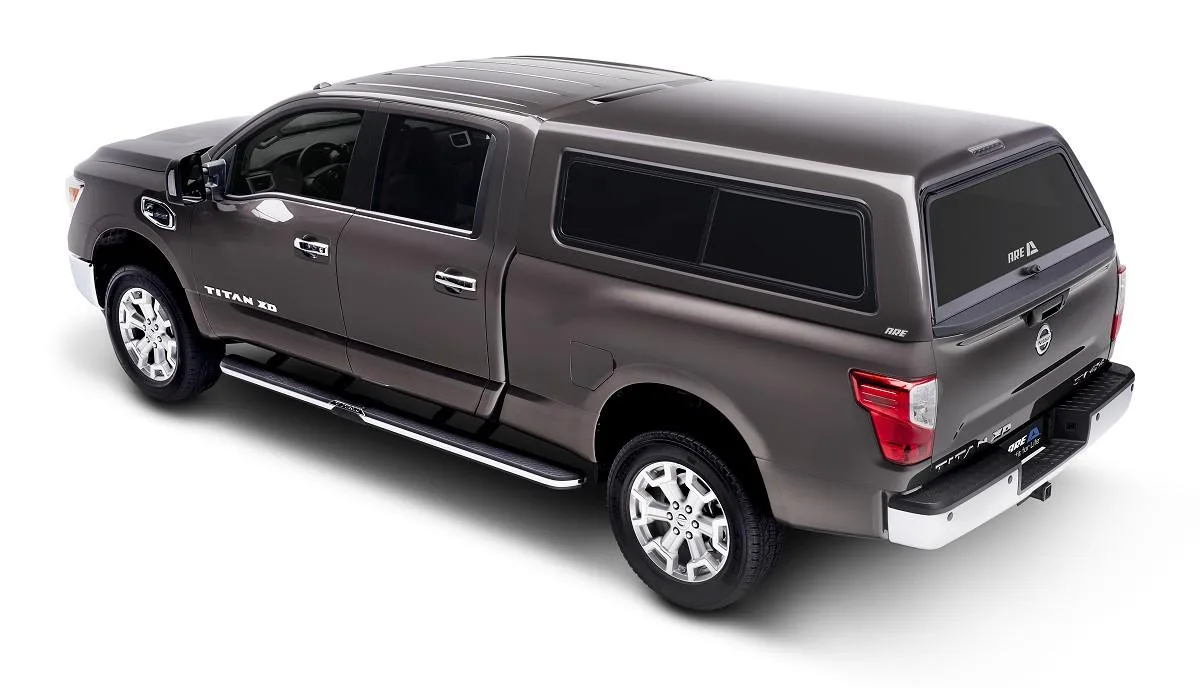
Both caps start with a hand-laid fiberglass shell, but the layup schedule and gel-coat finish differ in ways that affect long-term appearance. The CX Series uses a high-gloss gel coat designed to resist UV fade and maintain color match over time, paired with a slightly thinner shell optimized for weight savings without sacrificing rigidity. The CX Classic employs a thicker fiberglass layup with a tougher, more impact-resistant gel coat that holds up better to branches, cargo scrapes, and the daily abuse of jobsite parking.
Neither is fragile, but if your truck sees regular off-pavement use or you haul landscaping equipment that occasionally shifts against the cap walls, the Classic’s extra thickness pays off. If highway driving and weekend recreation define your routine, the Series’ lighter weight translates to marginally better fuel economy and easier manual removal when you need the open bed back.
Window Configuration and Sight Lines
Window layout is where personal preference becomes the deciding factor. The CX Series ships with wraparound side glass that extends farther forward, improving rear-three-quarter visibility when backing up and creating a brighter interior for cargo that needs daylight. The CX Classic sticks with smaller, more traditional side windows positioned toward the rear of the cap, reducing glass surface area in favor of a lower profile that many drivers prefer for aesthetics and reduced wind noise.
Both caps offer sliding front windows for ventilation, but the Series’ larger glass panels let more air flow through on a stationary truck — useful if you’re parked at a campsite and want passive cooling without running the AC. The Classic’s tighter window seals and smaller openings make it the quieter choice at highway speed, especially in crosswinds.
Hardware and Access Points
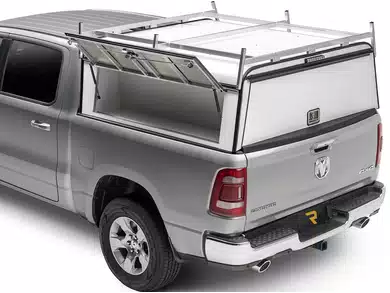
Latch and hinge quality separates everyday annoyance from years of reliable function. The CX Series uses a stainless rotary latch with a keyed truck cap locking handle that resists corrosion in coastal or salted-road climates, paired with gas struts that hold the rear door open at any angle without slamming. The CX Classic runs a simpler paddle latch with a single-key system and coil-spring-assisted hinges — lower-tech, but also lower-maintenance since there are no truck cap struts to eventually lose pressure.
If you open and close the cap multiple times a day, the Series’ gas struts feel effortless and modern. If you prefer fewer moving parts and don’t mind a slightly heavier lift, the Classic’s simpler spring-loaded door is just as functional and easier to service yourself in the field.
Fit, Finish, and Paint Match
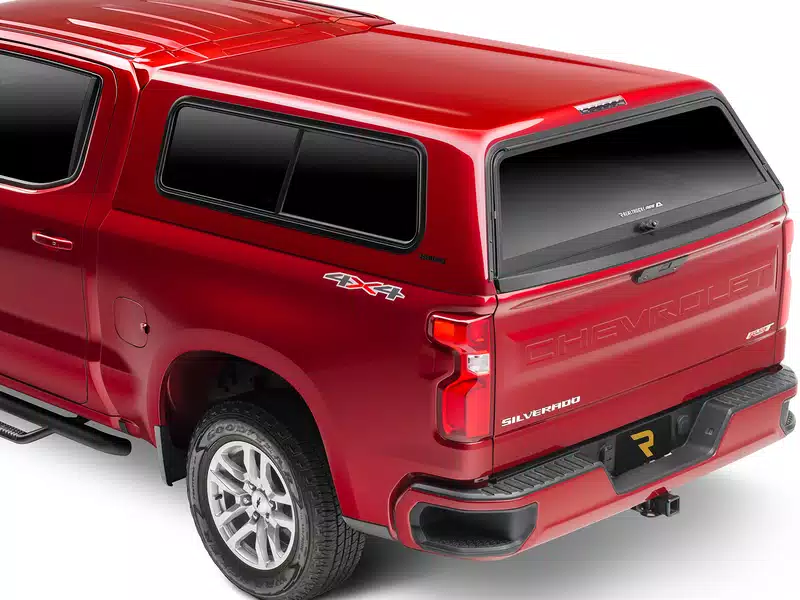
Factory paint match remains one of the trickiest elements in the aftermarket cap world, and both models handle it differently. The ARE CX Series truck cap is available in a wider palette of OEM-matched colors, including recent additions for newer truck generations, and the high-gloss finish is formulated to age at the same rate as modern factory clear coats. The ARE CX Classic truck cap offers fewer color options but compensates with a thicker, more UV-stable gel coat that resists chalking in high-desert and tropical sun.
Both caps mount via the same clamp system, so bed-rail preparation and seal integrity are identical. The real difference shows up five years down the road — the Series holds its original gloss better if garaged, while the Classic tolerates outdoor storage with less visible degradation.
Weight, Aerodynamics, and Fuel Impact
A lighter cap sitting higher on the truck creates more frontal area, so the CX Series’ aerodynamic profile and reduced weight work together to minimize drag. In real-world highway driving, that translates to a measurable — though modest — fuel-economy advantage, typically in the range of 0.3 to 0.5 mpg compared to the Classic on identical trips. The Classic’s boxier roofline and heavier shell add rolling mass but improve headroom inside, which matters if you store tall toolboxes or stand gear upright.
For drivers who prioritize hard-fold tonneau cover alternatives that preserve bed access while still offering aerodynamic benefits, the CX Series’ lower profile edges closer to that streamlined aesthetic. Neither cap is a pure performance upgrade, but the Series nods more toward efficiency while the Classic doubles down on interior volume and durability.
Deciding Between the CX Series and CX Classic
The right cap depends on whether you value modern aesthetics and fuel efficiency over raw durability and simpler maintenance. The CX Series delivers a sleeker profile, better rear visibility, and marginally lower weight for drivers who spend most of their time on pavement. The CX Classic trades those refinements for a thicker shell, quieter highway ride, and hardware that tolerates years of outdoor exposure without fuss.
Neither is a compromise — both are built to the same core standards we’ve held since we started forming fiberglass over truck beds decades ago. Your choice comes down to how you actually use the truck and what you’re willing to maintain over time.
Common Questions When Comparing the CX Series and CX Classic
Both caps are truck-specific, built to exact bed dimensions and cab height. Moving a cap from a short-bed to a long-bed, or from one manufacturer’s truck to another, requires a different cap entirely.
If you trade trucks frequently, verify fitment for your new model before ordering. We maintain detailed compatibility charts for both lines.
The CX Classic tends to command slightly higher resale prices in used-truck-accessory markets, largely because its thicker construction and simpler hardware age more gracefully under neglect. The CX Series retains value well if the finish has been maintained, but any visible UV damage or faded gel coat drops asking prices faster.
Both caps are desirable enough that private-party sales typically happen within a few weeks if priced fairly.
Yes, though installation methods differ. The CX Series accommodates low-profile aluminum crossbars via pre-drilled mounting points hidden under trim strips, while the CX Classic uses heavier-duty steel inserts that support more weight but require drilling through the gel coat yourself.
If you plan to haul kayaks, lumber, or a rooftop tent, confirm load ratings with the specific crossbar system you intend to use.
The trade-offs between lighter, aerodynamic caps and heavier, more rugged designs appear across every manufacturer’s lineup. This comparison focuses on our own models, but the decision framework — prioritizing either daily-driver efficiency or maximum durability — applies universally.
If you’re cross-shopping brands, use similar criteria to evaluate construction thickness, window layout, and hardware complexity.
Both caps accept snap-in carpet kits, LED strip lighting, and aftermarket shelving systems designed for truck-cap interiors. The CX Series’ larger side windows leave less wall space for shelving, while the Classic’s taller interior height accommodates deeper storage bins.
Carpet installation is identical on both models — adhesive-backed panels snap over the bare fiberglass and trim out with plastic edging.
The CX Classic’s smaller windows and tighter door seals produce noticeably less wind noise above 60 mph, especially in crosswinds. The CX Series’ larger glass panels and lighter door construction allow more buffeting sound to enter the cab, though the difference is minor if your truck already has good factory door seals.
If highway noise is a top concern, consider adding weatherstripping around the cap’s door frame regardless of which model you choose.