How ARE DCUMax Aluminum Construction Actually Prevents Dents (And Why Gauge Matters)
Aluminum truck cap dents are the number-one complaint owners have about lightweight toppers—until they see how ARE DCUMax construction changes the equation. We engineered the DCUMax with specific aluminum gauges and internal rib patterns that distribute impact force across a wider area, preventing the localized dimpling that ruins thinner caps after a single hailstorm or garage-door encounter.
This guide walks through the actual material science and geometry decisions that make DCUMax panels hold their shape under real-world abuse, so you know exactly what you’re paying for when you choose commercial-grade aluminum over budget alternatives.
Why Aluminum Gauge Selection Determines Dent Resistance
The DCUMax uses .050-inch-thick 5052-H32 aluminum alloy for its roof and side panels—a gauge thick enough to resist localized impacts but light enough to keep total cap weight under 200 pounds for most cab heights. Thinner .032-inch alternatives save a few pounds but dent easily because the reduced material thickness can’t absorb the same impact energy before yielding permanently.
5052-H32 aluminum offers a tensile strength around 33,000 psi in its half-hard temper, meaning the material returns to its original shape after moderate impacts instead of retaining a permanent dimple. Budget caps often use softer 3003 alloy or fully-annealed tempers that lack this elastic recovery, so a dropped toolbox or low-hanging branch leaves a visible mark the first time it happens.
The Aluminum Association publishes detailed mechanical property tables for every alloy and temper combination at aluminum.org, and our engineering team references those standards when selecting material specs for every DCUMax production run. We don’t guess at what ‘heavy-duty’ means—we match gauge and temper to the actual force thresholds commercial users encounter daily.
How Internal Rib Geometry Spreads Impact Force
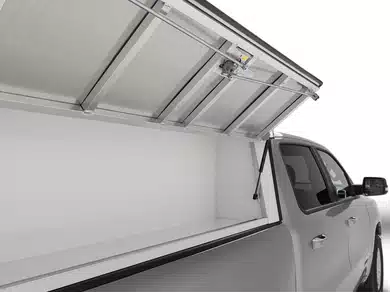
Flat aluminum panels—no matter how thick—still dent more easily than ribbed or corrugated surfaces because impact force concentrates at a single point. The DCUMax roof incorporates lateral ribs spaced every eight inches, running perpendicular to the truck’s centerline, that act as structural stiffeners and distribute load over a much larger surface area when something strikes the panel.
Think of it like a corrugated shipping box: the flutes prevent crushing because they turn a point load into a distributed load across multiple peaks. Our rib design does the same thing, and the added benefit is that any minor surface deflection happens between ribs rather than in the middle of a visible flat expanse, so even a shallow dent becomes nearly invisible from normal viewing angles.
The same rib pattern also prevents oil-canning—the flexing, popping sound thin panels make when temperature changes cause expansion and contraction. Owners switching from fiberglass caps sometimes expect aluminum to behave the same way under summer heat, but the DCUMax stays rigid and silent because the ribs lock the panel geometry in place regardless of ambient temperature swings.
What Happens When Aluminum Does Dent (And How to Fix It)
Even commercial-grade aluminum can dent if the impact exceeds the material’s elastic limit—typically anything over 15-20 foot-pounds of focused energy, like a full-speed collision with a garage door track or a heavy branch during off-road driving. When that happens, the dent usually remains shallow and localized rather than tearing or cracking the way fiberglass would, so the cap remains weathertight and functional even after cosmetic damage.
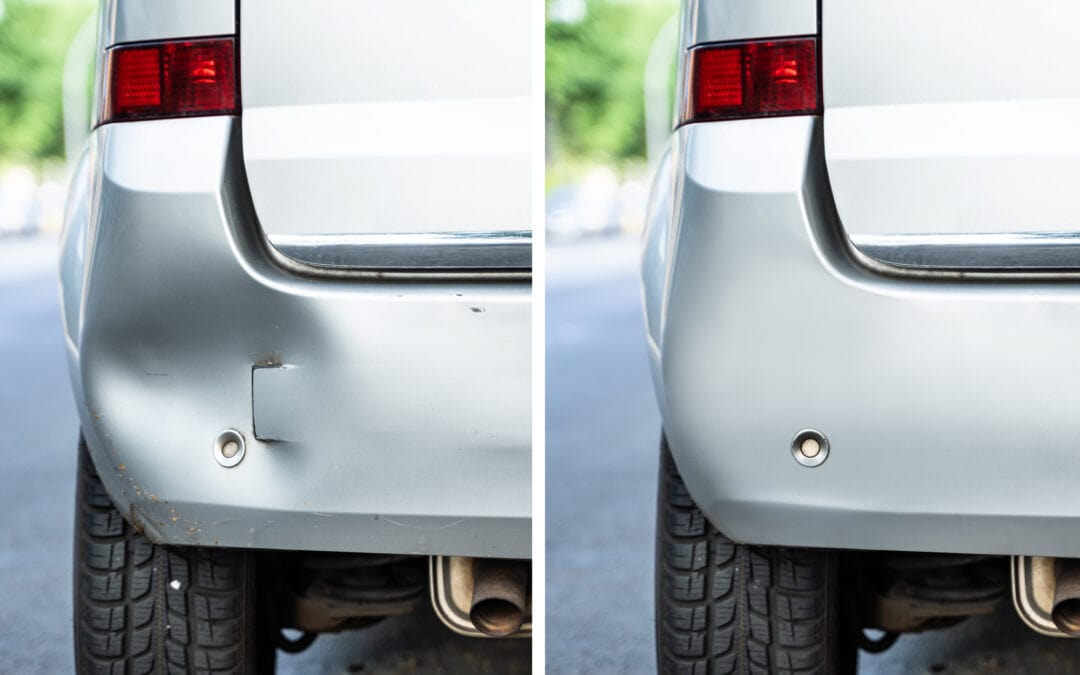
Minor dents (under half an inch deep) often respond to paintless dent repair techniques if you can access the back side of the panel, though DCUMax’s internal framework means you may need to remove interior liner panels first. For deeper dents or creases that compromise the rib structure, panel replacement is the permanent fix—and because each side panel and roof section bolts on independently, you’re replacing a single damaged component rather than the entire cap.
Rubber seals around windows and doors can shift slightly if a nearby dent distorts the frame, so always inspect window seals after any impact and replace them if you notice air leaks or water intrusion during the next rainstorm. A ten-dollar seal replacement prevents hundreds of dollars in rust damage to your truck bed later.
Comparing DCUMax Dent Resistance to Fiberglass and Steel Alternatives
Fiberglass caps don’t dent—they crack or shatter—which makes them more vulnerable to total failure from the same impacts that only dimple aluminum. A hailstorm large enough to dent a DCUMax roof will often punch clean through a fiberglass cap’s gel coat and underlying mat layers, requiring a full panel replacement instead of a simple dent repair.
Steel caps resist dents better than any aluminum alternative, but the weight penalty (often 100-150 pounds heavier than equivalent aluminum) cuts into payload capacity and fuel economy. Steel also rusts if the paint chips, whereas aluminum forms a protective oxide layer that prevents corrosion from spreading even when the finish is scratched down to bare metal.
Owners who haul equipment daily and need maximum abuse resistance often pair a DCUMax with Lund tonneau covers on a second work truck, giving them one ultra-light aluminum setup for highway driving and one steel or composite setup for jobsite use. The DCUMax hits the sweet spot for mixed-use scenarios where you need both dent resistance and reasonable fuel economy.
Why DCUMax Construction Outperforms Commodity Aluminum Caps
The difference between a cap that dents after the first season and one that holds its shape for years comes down to deliberate material and geometry choices, not marketing claims. We spec .050-inch 5052-H32 aluminum and incorporate lateral ribs because real-world testing showed those decisions prevent the localized dimpling and oil-canning that ruins thinner alternatives.
If you’re comparing options, ask any manufacturer for their actual gauge thickness, alloy designation, and temper—not just ‘heavy-duty aluminum’—and look for internal rib patterns rather than flat panels. Those details determine whether your next cap survives a hailstorm or needs replacement after the first impact.
Common Questions About Aluminum Truck Cap Dent Resistance
Golf-ball-sized hail (1.75 inches) typically leaves shallow dimples in DCUMax panels but won’t puncture or crack the aluminum the way it does with fiberglass caps. Softball-sized hail (4+ inches) can cause deeper dents that may require panel replacement, though the cap remains weathertight and functional even after severe impacts.
The internal rib structure prevents catastrophic failure, so you’ll see cosmetic damage rather than structural compromise after most hailstorms.
Shallow dents under half an inch deep often respond to DIY paintless dent repair if you can access the back side of the panel by removing interior liners. You’ll need a rubber mallet, a wooden block, and patience to gradually work the dent out from behind without creasing the aluminum further.
Deeper dents or those located over ribs usually require professional repair or panel replacement because you risk cracking the paint or distorting the rib geometry if you apply too much force from the wrong angle.
Up to a point, yes—but alloy selection and temper matter just as much as raw thickness. A .050-inch panel in 5052-H32 aluminum resists dents better than a .063-inch panel in softer 3003-O aluminum because the half-hard temper has higher yield strength and better elastic recovery.
Beyond .050 inches, the weight penalty starts outweighing the dent-resistance benefit for most truck cap applications, which is why we spec DCUMax at that gauge rather than going thicker.
Avoid stacking heavy cargo directly against the cap’s interior ceiling—use a bed rack or crossbars to keep weight off the panels themselves. When loading long items like ladders or lumber, pad any contact points with foam or moving blankets to prevent concentrated pressure that can dimple the aluminum.
Park away from overhanging branches if possible, and always measure garage-door clearance before driving in with the cap installed. Most dents happen during routine parking and loading rather than dramatic impacts.
Aluminum dents don’t spread or grow the way rust does in steel, so a small dimple will stay the same size indefinitely unless you hit the same spot again. The protective oxide layer that forms on bare aluminum prevents corrosion even if the paint is chipped, so cosmetic dents rarely lead to structural problems down the road.
That said, a dent near a window frame or door edge can distort seals over time as temperature cycles cause the panel to flex slightly, so inspect those areas periodically and replace any compressed or torn rubber.
Most comprehensive auto policies cover hail damage to truck caps as part of the vehicle, though you’ll need photos and a repair estimate to file a claim. Cosmetic dents that don’t affect function may fall below your deductible, so check your policy limits before starting the claims process.
Keep all original purchase receipts and installation records for your cap—insurers often require proof of the cap’s value and age to determine replacement-cost coverage versus actual-cash-value settlements.